We publish blog articles on management, hobbies, current events, and podcasts daily. If you register for news updates, we will send you update information, so feel free to sign up. (We do not distribute advertisements)
About
Hoshikawa Tetsushi (Hossy)'s personal siteHossy.orgis a site that outputs information from various experiences such as entrepreneurship, management, and graduation through blog articles, podcasts, and various activities.
When a Business Podcast Pauses, and the Story Doesn’t Add Up
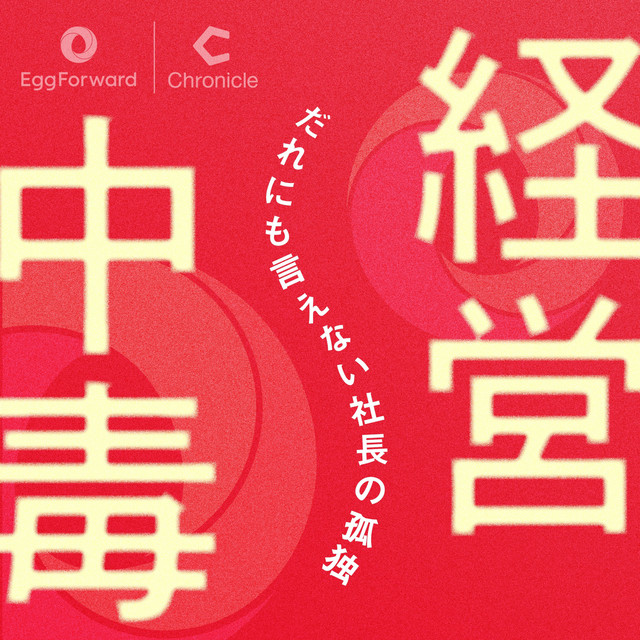
As I wrote in a previous article, I regularly listen to podcasts, and there are several shows I follow on a regular basis. One of them was Keiei Chudoku. Although I listen to other podcast programs, Keiei Chudoku was the show that ultimately inspired me to start my own podcast.
Hossy.org
How to Create the Podcast “Riaru Keiei” | Blogs | Hossy.orgThe origin story of the Riaru Keiei podcast. A behind‑the‑scenes production story tracing the show’s formation, fully remote recording and use of the four major distribution services, high audio quality honed with AKG microphones and Adobe Premiere, and the challenge of going from zero to one.
One of the hosts of Keiei Chudoku, Tokutani, is a management consultant who spoke from his own experience as a central voice on the show, while the other host, Nomura, served more as the listener but skillfully structured the conversation and drew out interesting anecdotes from Tokutani.
At the start of the show, Tokutani spoke candidly about his concrete experiences around starting a business and the hardships he faced, and I thought it was a truly compelling program. However, as episodes accumulated, the firsthand intensity seemed to fade for me and the proportion of generalizations increased. At least, it felt to me that the rawness I expected from the phrase “Keiei Chudoku” began to drift away. After all, the original sub‑tagline was “the loneliness of a CEO you can’t tell anyone,” so I had expected frank, tell‑all content.
In that sense, because the appeal I initially felt had been gradually diminishing, I even posted on X with some hope (although by that time…Riaru Keiei…I had already started it). From that point, when I would leave my company and be free of entanglements, I decided I wanted to make a show focused on things that actually happened, and even if future topics weren’t about me, to present practical, concrete discussions.
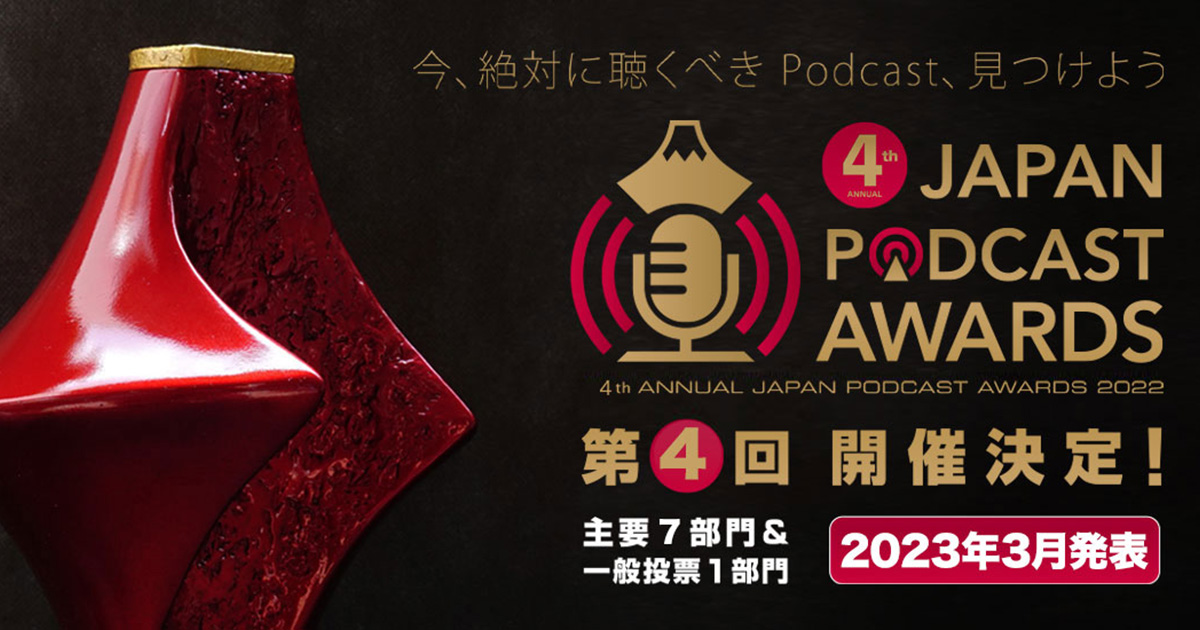
Putting that history aside, Keiei Chudoku had been a long‑running show, and given its awards and book publications, I think it can be said the program had a certain level of support.
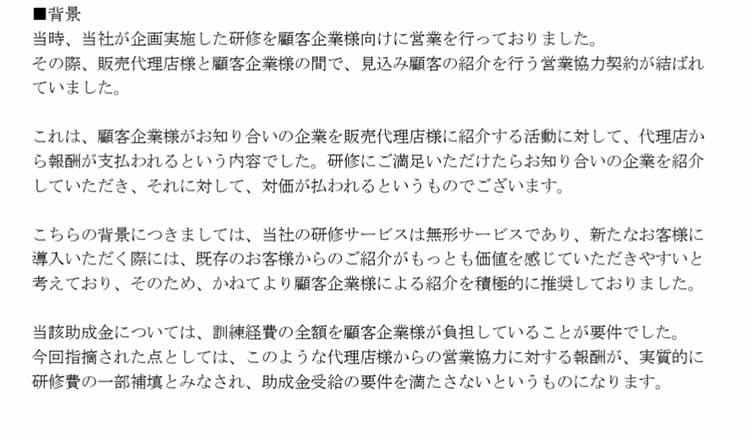
If you took Tokutani’s explanations on the program at face value, the narrative sounded like it wasn’t a major problem.
The explanations were that an agency may have run amok, there may have been differences in interpreting the system, and that the company had consulted experts such as Sharoushi and proceeded after being told there was no problem. Taken that way, it gave the impression of a kind of trouble that can occur in the business field — not something I’d call commonplace, but not unprecedented either.
Rather, I had a stronger sense of discomfort about whether such matters warranted suspending the show. From the standpoint of a podcast listener, what was presented on the program felt like remorse and explanation, not evasion or concealment. That was why, when I considered writing a blog about the issue, I intended to frame it as “a popular show temporarily pausing to regretfully regroup.”
A different picture that emerged when I began reading primary sources
However, after I began reading primary sources, multiple reports, and articles from specialist media, the landscape changed completely. Even though they were covering the same incident, the world depicted there was completely different from what had been described on the podcast.
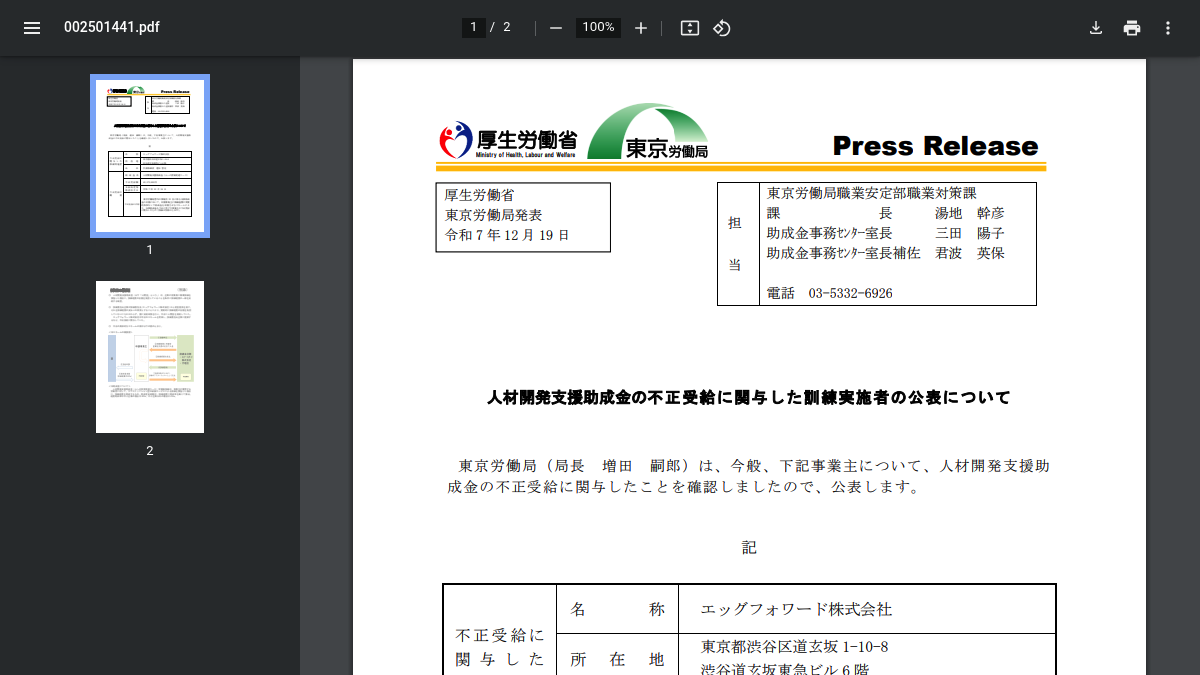
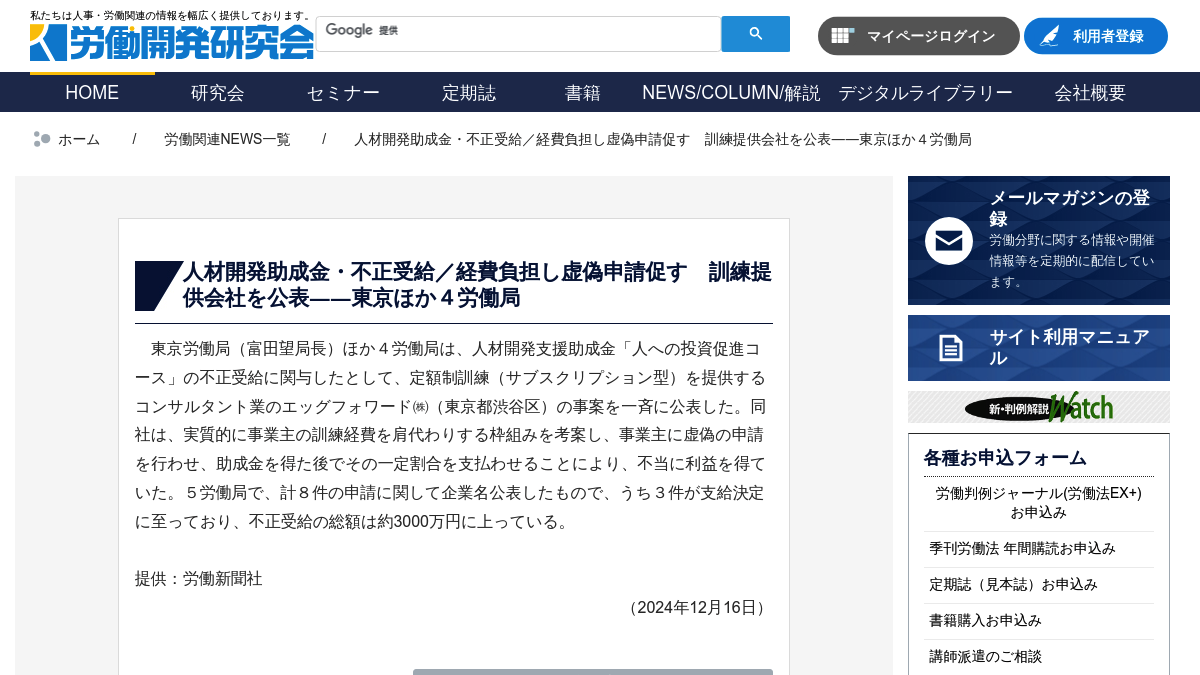
Following the materials published by Tokyo Roudou Kyoku and articles from media specializing in labor affairs showed that the problem was not merely a matter of differing interpretations or on‑site misunderstandings.
Moreover, there are media outlets giving this issue wide coverage, and when read alongside the primary sources, it becomes clear that the facts published as “involvement in fraudulent receipt” differ greatly from what was described on Keiei Chudoku and from the explanations on Egg Forward’s website.
What was shown structurally was a system built on the premise of the subsidy program. Behind the pretext of conducting training, a flow was designed so that no real self‑burden would occur, or even so that a profit would be generated.
When I saw the whole picture, the first emotion that came to mind was that it was a far more serious matter than I had thought. The public documents explicitly stated “involvement in fraudulent receipt.”
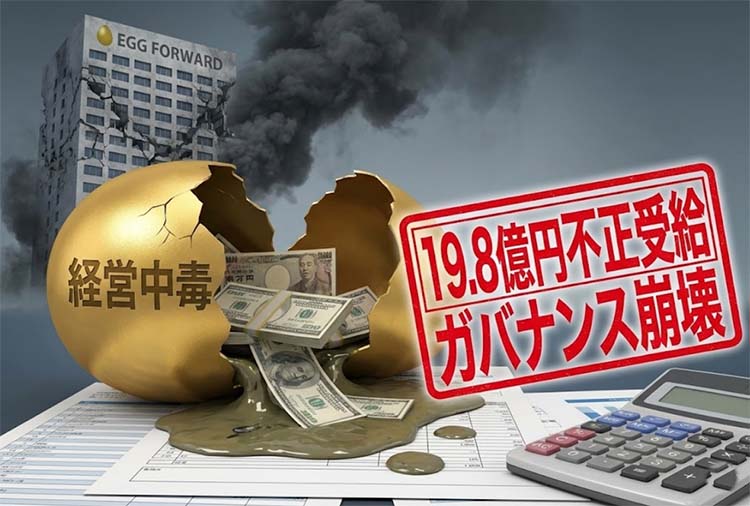
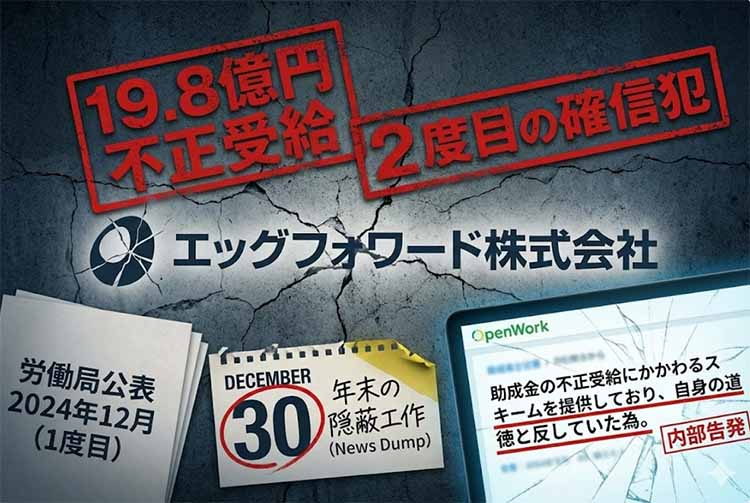
And the scale of the money involved cannot be dismissed. The amounts reported vary, but the total nationwide fraudulent receipt is estimated at just under ¥2 billion. The total is an estimate and not a primary source, but from several checks it is a verifiable fact from other public information that large sums of subsidies were moved through the provision of training services, which have high profit margins.
On this point, I felt it could not be brushed off as a mere gap in perception.
A deep chasm between explanation and facts
What disturbed me was not only whether a law had been broken. There was an excessively deep gap between the explanations given on the podcast and the facts that could be read from primary sources. The claim that an agency ran amok may be true in part. However, once you understand the mechanics of the system and look at the structure that was standing on top of it, the question remains whether it can all be blamed on outsiders.
In the first place, in the documents published by Kosei Roudousho it is stated:“Egg Forward Co., Ltd. devised the fraudulent scheme and proposed it to companies commissioning the training, and was involved in the fraudulent receipt.”It is written in clear terms. For a public agency to name a company this directly is a significant matter, in my view.
Egg Forward
News | Egg ForwardEgg Forward is the world’s only human resource development company that develops corporate transformation support services and platform innovation businesses. From strategy and organizational consulting to talent development, individual career change support services, and career communities, it aims to bring transformation to people, organizations, and society.
The same applies to the explanation that they had consulted a Sharoushi and were told there was no problem. The act of consulting and whether that consultation was conducted with an accurate grasp of the overall structure are separate matters, and precisely what questions were asked to whom and what answers were received should be reflected in the Ministry of Health, Labour and Welfare’s investigation responses. Given that Kosei Roudousho ultimately determined this to be fraudulent receipt and publicly named the company, I felt that explanations like “we didn’t know” or “we asked and were told” alone do not hold up.
The betrayal and disappointment I felt as a listener
As I wrote at the beginning, while I had my frustrations and had launched another program, I still liked Keiei Chudoku itself and found the exchanges with Nomura endearing. For that reason, at first I think I was somewhere hoping the show would come back. Take a break for a while, get things sorted out, and then return. If you were just listening to the podcast, that’s the way you could think about it.
But as I continued reading the primary sources, I began to feel that that expectation was unrealistic. If the explanations given to listeners differ greatly from the actual structure and evaluations, that is not merely a problem but a matter of trust. Since the program was built on that trust, if that trust was betrayed, it would be almost impossible to return to the original position. In business terms, the fact that public grants — taxpayers’ money — were involved in improper receipt will continue to weigh heavily.
The attitude I still wanted from Keiei Chudoku
Even so, I still have mixed feelings. While I felt betrayed, I did not want to deny the value that the program Keiei Chudoku had. Rather, precisely because it was a program that spoke so much about management, I wished it had told this incident openly and without concealment.
Not only talking about when things go well, but also addressing irretrievable failures and the consequences of mistaken judgments. Had it been able to do that, I feel the program would have become even more valuable in a different sense. All the more so when you consider the weight carried by the title Keiei Chudoku.
Overlap with my own Riaru Keiei
Through this series of events, I also thought about the podcast I’m involved with, Riaru Keiei. If I were to make a mistake, or be placed in a situation where I had to be accountable, would I be able to avoid taking a similar attitude?
Hossy.org
Podcast|Hossy.orgAn unscripted CEO speaking candidly about the successes and failures of corporate management—real and unvarnished [released every Friday at 6 AM]. In Riaru Keiei, as a program that recounts, as they happened, the events and business successes and failures of roughly the past 20 years, we convey the realities of corporate management that schools and management consultants won’t teach you.
At least for now, I want to take a posture of explaining things directly. Not summarizing them with pleasant-sounding words, but explaining what happened, where the judgments were wrong, and how responsibility will be taken. If I can’t speak including that process, I feel there’s no point in using the name Riaru Keiei.
Part of it is that I am an individual and not in a position carrying something large on my back. Tokutani had employees to support, so I think there were things he wanted to protect because there was a danger the company could go bankrupt if things continued as they were. I sympathize with that as a fellow business owner. However, as it ultimately did in reality, any cover-up is exposed to the light of day. That once again proved that it can flare up far larger than the original problem.
Who was sponsoring Keiei Chudoku?
And finally, there’s one point I can’t help but wonder about. That is, in what form was the program Keiei Chudoku produced and who bore the costs? Was it a program sponsored by Egg Forward Co., or was it a project in which Nomura’s Chronicle actively moved to create an interesting program?
This difference is not mere behind-the-scenes trivia. I feel it’s a very important point when considering the program’s position and where responsibility for its content lies. This is only my speculation, but I think Keiei Chudoku was produced with sponsorship from Egg Forward Co., and thus had a promotional aspect. At the end of the program there were also directions like “consult Egg Forward” or “if you want to work here, click here.” If that’s the case, I feel the premise should have been made clear even more.
★
This incident has once again forced home how difficult management and information dissemination are. My answer at this point is that in business you should not lie and should be honest. Someday this may boomerang back to me, but for now I will state it emphatically.
Hossy.orgis a site where Tetsushi Hoshikawa (Hossy) shares information from his various experiences such as entrepreneurship, management, and graduation through blog articles, podcasts, and other activities.
Tetsushi Hoshikawa
Founded Trinity Corporation, which deals with digital life products, and "graduated" after about 20 years of management.
Serves concurrently as the CEO of Eureka Studio Corporation, a company planning and developing casual games for smartphones, and as the CEO of the investment company Cosmo Studio.
I regularly publish blog articles and podcasts on topics such as management, hobbies, and current events. If you subscribe to our news updates, we will send you notifications about new content, so feel free to register.(We do not distribute advertisements or similar content)
 Language



 Hossy.org


 4th JAPAN PODCAST AWARDS
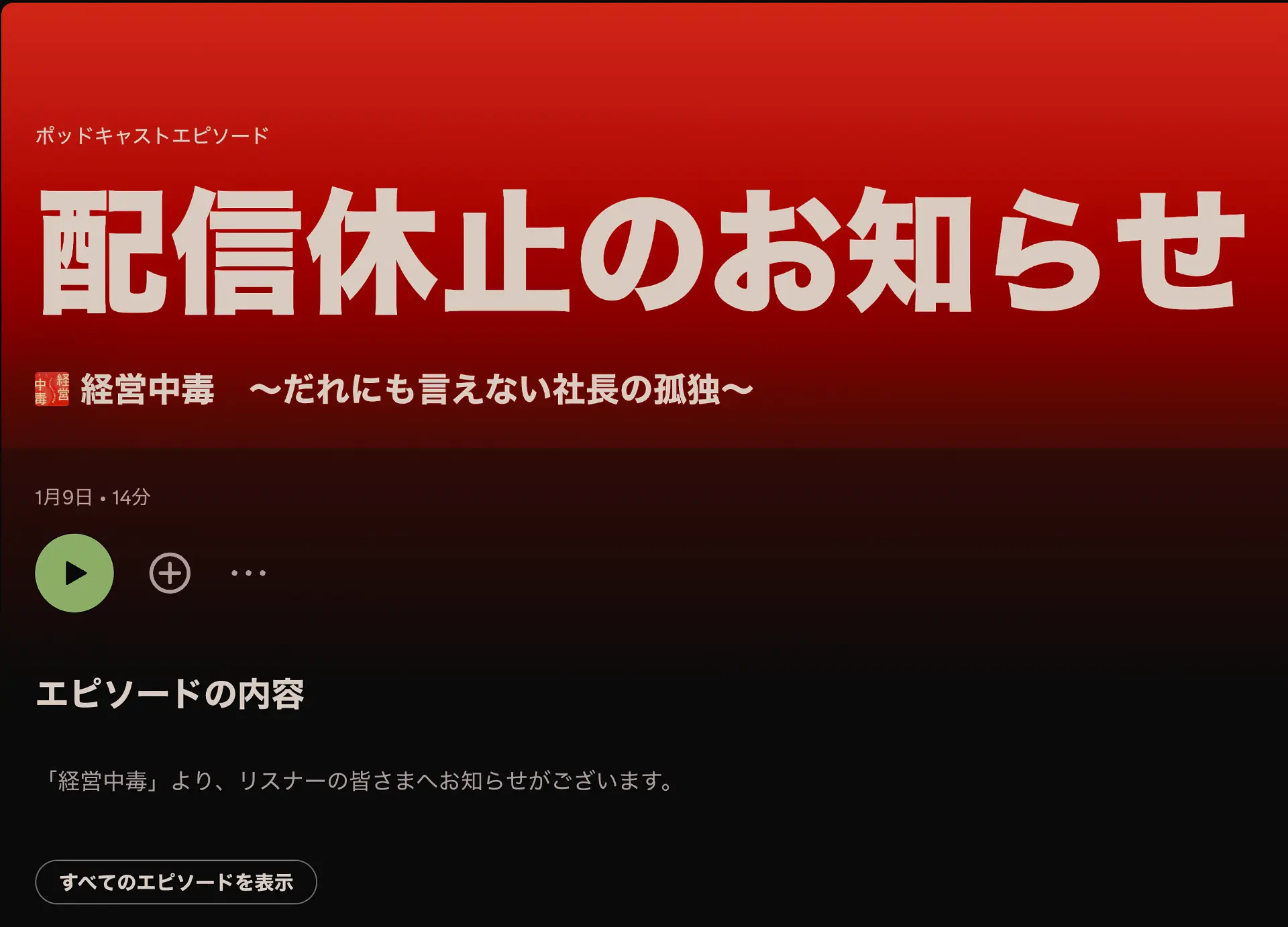
 Spotify
 www.roudou-kk.co.jp
 coki (公器) – 企業のサステナビリティを…

 Egg Forward












Comments