We publish blog articles on management, hobbies, current events, and podcasts daily. If you register for news updates, we will send you update information, so feel free to sign up. (We do not distribute advertisements)
About
Hoshikawa Tetsushi (Hossy)'s personal siteHossy.orgis a site that outputs information from various experiences such as entrepreneurship, management, and graduation through blog articles, podcasts, and various activities.
What the Venezuelan invasion reveals about America First
At the very start of 2026 came news so shocking I could hardly believe my ears: the United States had attacked Venezuela and detained President Maduro. Although reports of friction between President Trump and President Maduro had surfaced before, I never thought it would actually go so far as the deployment of troops.
First of all, I am opposed to military action. If force is the only way we can make things move, it proves humanity is still immature; deciding who is strong simply by the use of power is no different from children fighting.
This incident feels like the 1989 invasion of Panama I once saw in a movie, resurrected in the present day. Just as back then, lofty slogans such as “eradicating narco-terror” and “restoring democracy” are being waved. In reality, most modern wars and military operations come with noble justifications, yet behind them I sense far greedier motives at work.
Sending troops to seize another country’s head of state—declaring President Maduro “internationally wanted” and hauling him away—seems untenable, no matter how shaky the world order may be. I thought it impossible, yet unilateral behavior has become conspicuous of late. Behind the showy “justice,” isn’t the real force still “America First”?
Topic
A “military operation” that sounds strangely familiar
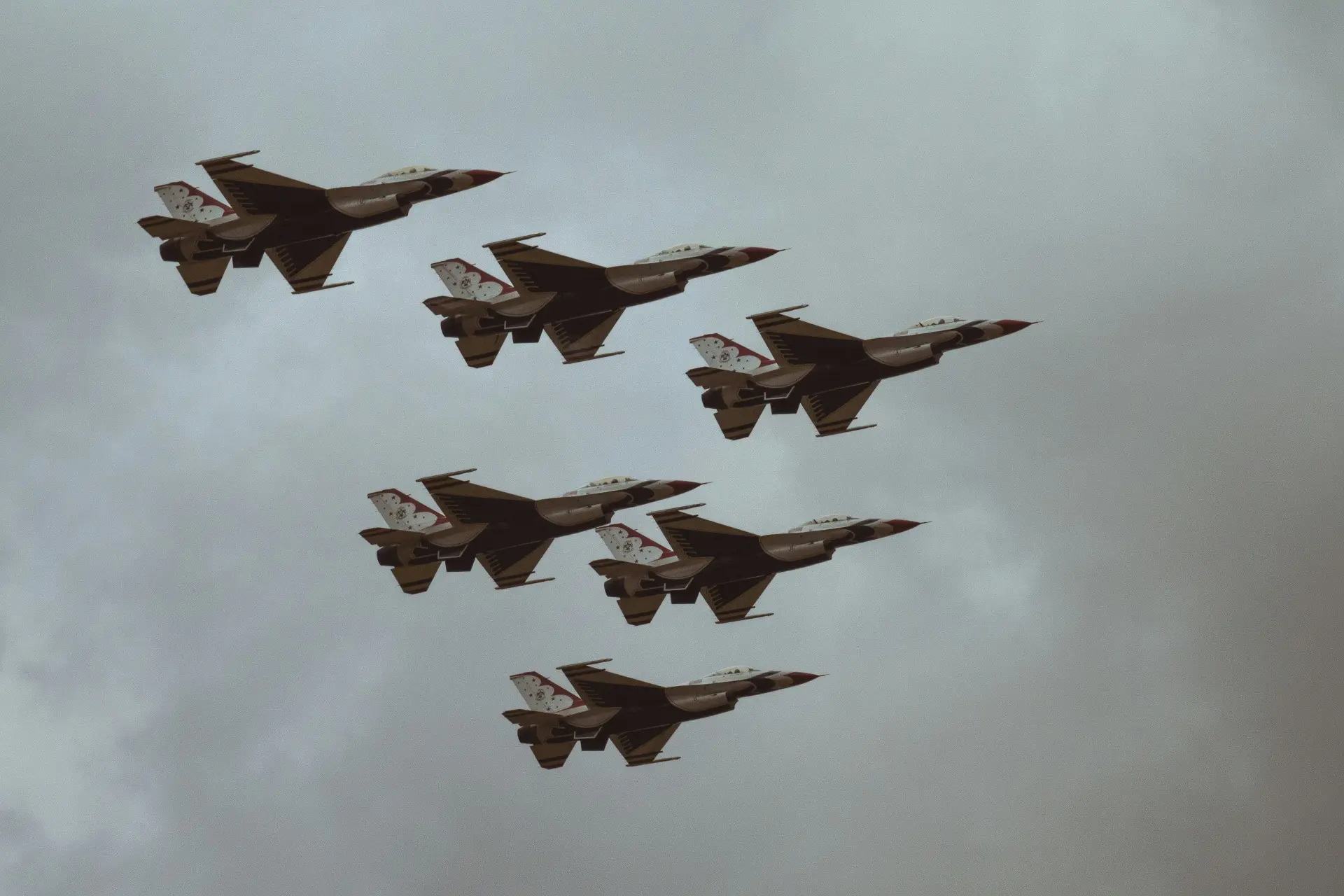
Air strikes, special forces, a lightning raid, capture, extraction—like a Hollywood script, the Maduro couple was whisked abroad. It is all but guaranteed to be made into a film. The United States trumpeted the mission’s success; militarily, they may indeed have subdued the target in an instant.
Still, whatever Washington calls “minimal,” people died. I can picture frightened citizens and a capital thrown into panic as logistics ground to a halt. Calling the overthrow of a nation’s sovereignty through bombing and special ops a “limited military action” is no different from what we have seen in the Middle East or farther north.
The irony of a Nobel Peace Prize and an order to attack
Could this move be rooted in President Trump’s having given up on winning the Nobel Peace Prize? He once aggressively marketed what he called his “peace achievements”—claiming he had halted Israel’s incursion into Gaza, the India-Pakistan conflict, and the Thailand-Cambodia dispute—and seriously chased the Nobel. I do not know how earnest he truly was, but his zeal then was unmistakable, until quite recently.
Now that same President Trump brazenly insists on the contradictory idea of “peace through air strikes.” I see this as evidence he has lost his obsession with the Nobel Prize—though who can say for sure?
Further fragmentation of the international community
Russia and China immediately voiced strong opposition. China called for an emergency UN meeting, while Russia thundered it “would not hesitate to retaliate.” There is, of course, a certain “pot calling the kettle black” element to all this.
Europe and Japan, meanwhile, mutter that the situation is “regrettable” yet stop short of outright condemnation, appearing decidedly timid. They clearly do not wish to provoke the already hard-to-handle President Trump, but we must call this abnormal. In the end, their silence—tantamount to tacit approval—only deepens the crisis. Unless we say a clear NO to the idea that “might makes right,” such precedents will be repeated, and it may not stop with Venezuela.
A double standard regarding the Taiwan issue
Naturally, the possible link to Taiwan comes to mind. Washington always says, “We will not tolerate China laying a hand on Taiwan.” If America itself tramples another nation’s sovereignty, that claim loses weight. Yet President Trump and the Washington elite will likely insist without shame, “That’s different.” These are people who routinely spread unevidenced claims and dismiss criticism as “fake news.”
It is clear the United States has changed ever since President Trump took office—indeed, since his first term. “America First” now appears to signal a revival of something like the Monroe Doctrine, implying that the entire landmass connecting North and South America should come under U.S. sway. Looking at the episodes involving Canada and Greenland, one can hardly see it otherwise.
The real objective: oil
The ostensible cause is “restoring democracy,” but everyone senses the true target is oil and other resources. Venezuela is a resource powerhouse; if U.S. companies can once again reach for those assets, it seems clear that was the goal all along.
President Trump has reportedly said, “American companies will invest in rebuilding Venezuela’s oil infrastructure, extract the underground riches, and use them as compensation to the United States.” A similar pitch was made concerning Ukraine. Ultimately, President Trump is the world’s most powerful businessman, and profitability is his top priority.
In recent years Venezuela had been getting closer to China, Russia, and Iran, and the operation is also said to aim at severing these “troublesome ties.” But this, too, boils down to not wanting others to claim the resources.
Peace cannot be built through force
Finally, let me restate the obvious: peace cannot be created by force. Yes, the authoritarian Maduro regime had its faults, but deciding to “solve” them with bombs is misguided. This is not an issue for the United States to judge and crush by sheer power.
True peace—however roundabout and time-consuming—lies only at the end of dialogue. We must change the world not with fighter jets, but with words and human relationships. That may sound naïve in today’s world, but I intend to keep voicing that ideal.
★
My first reaction to the U.S. invasion of Venezuela was, “Well, I guess anything goes.” I could see President Trump doing something like that, yet I figured it wouldn’t happen so easily, so I was quite taken aback. I’m no expert in this field; I’m just writing based on what I’ve read online, so there may be unseen information, but I want to put my current feelings into words.
Hossy.orgis a site where Tetsushi Hoshikawa (Hossy) shares information from his various experiences such as entrepreneurship, management, and graduation through blog articles, podcasts, and other activities.
Tetsushi Hoshikawa
Founded Trinity Corporation, which deals with digital life products, and "graduated" after about 20 years of management.
Serves concurrently as the CEO of Eureka Studio Corporation, a company planning and developing casual games for smartphones, and as the CEO of the investment company Cosmo Studio.
I regularly publish blog articles and podcasts on topics such as management, hobbies, and current events. If you subscribe to our news updates, we will send you notifications about new content, so feel free to register.(We do not distribute advertisements or similar content)
 Language







Comments